Ina Garten’s Summer Garden Pasta- Fresh Flavors
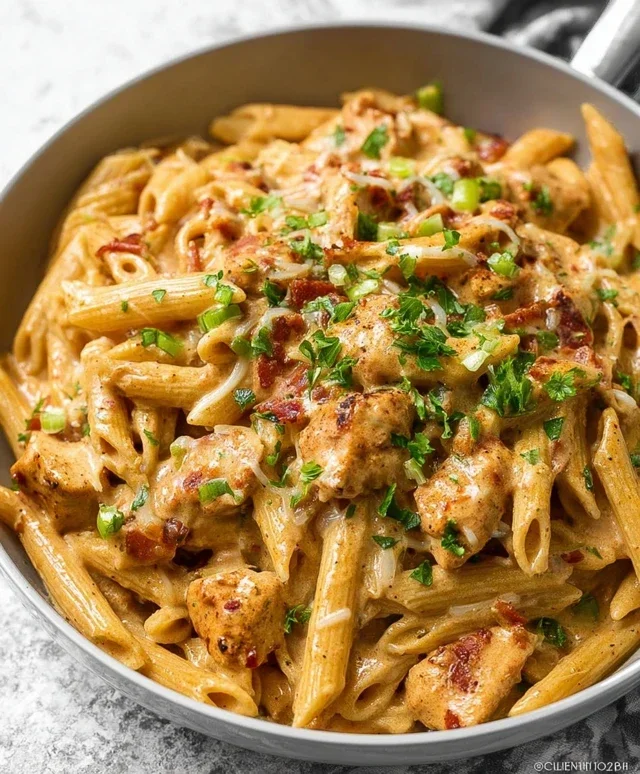
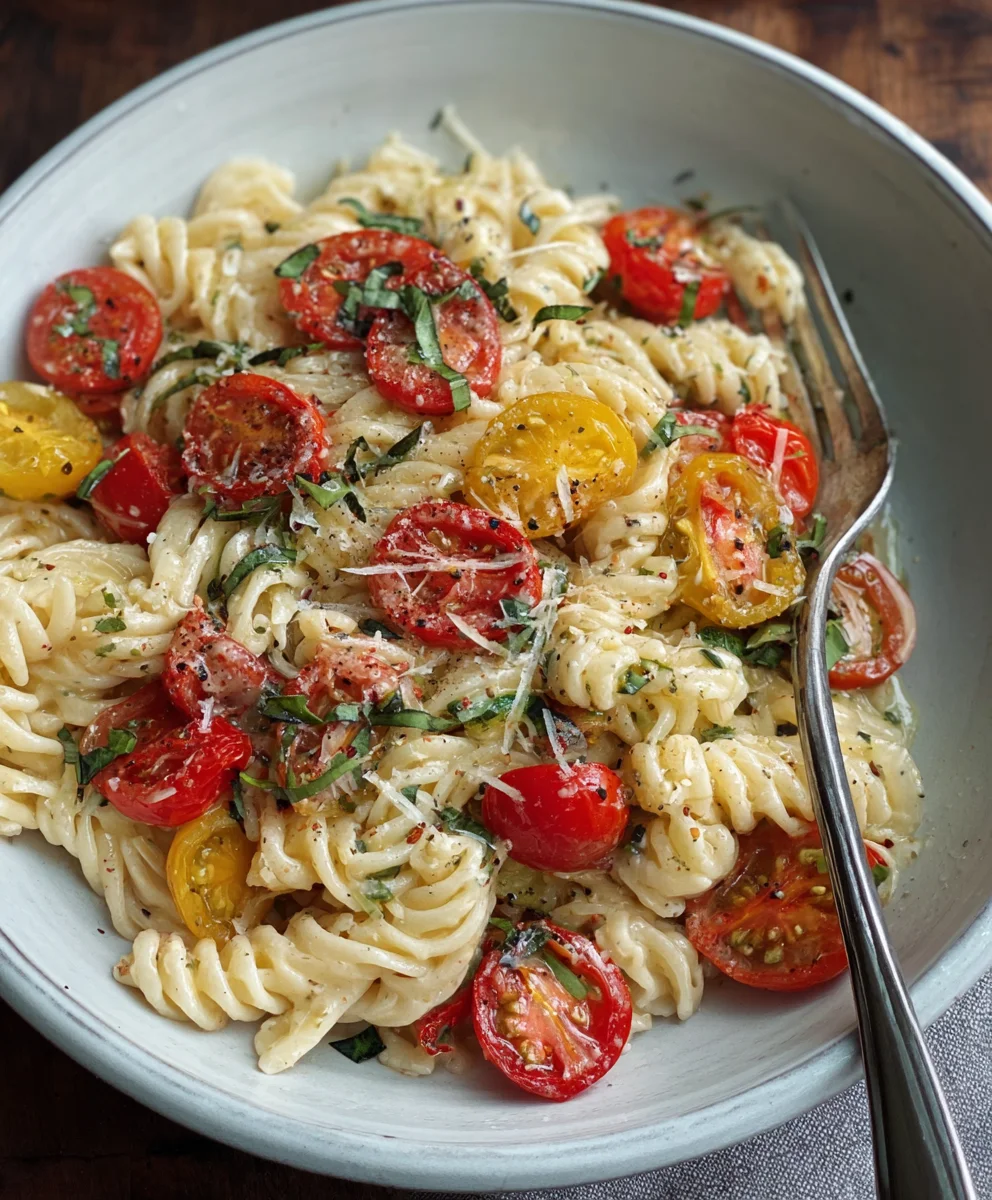
Ina Garten Summer Garden Pasta is more than just a meal; it’s an edible ode to the peak of seasonal bounty, a dish that whispers of warm evenings and sun-kissed produce. This is the kind of recipe that makes you want to gather your friends, spread a checkered blanket on the lawn, and savor every bright, fresh bite. What is it about this particular pasta that captures the hearts of so many? It’s the way it celebrates the vibrant flavors of the garden without overwhelming them, allowing each ingredient to shine. We all love a dish that feels both sophisticated and incredibly comforting, and Ina Garten Summer Garden Pasta delivers on both counts. It’s the perfect canvas for whatever beautiful vegetables you’ve managed to coax from your garden (or your local farmer’s market!), making each iteration wonderfully unique and deeply satisfying. Get ready to taste summer on a plate.
Ingredients:
- 1 pound pasta (such as penne, fusilli, or farfalle)
- 2 tablespoons olive oil
- 1 large red onion, thinly sliced
- 3 cloves garlic, minced
- 1 pint cherry tomatoes, halved
- 1 zucchini, medium, diced
- 1 yellow squash, medium, diced
- 1 red bell pepper, seeded and diced
- 1/2 cup fresh basil leaves, chopped
- 1/4 cup grated Parmesan cheese, plus more for serving
- Salt and freshly ground black pepper to taste
- Optional: Pinch of red pepper flakes for a touch of heat
Preparing the Vegetables
1. Mise en Place for Maximum Efficiency
Before you even think about turning on the stove, let’s get all our beautiful summer vegetables prepped. This is a crucial step for a smooth cooking experience, especially for dishes like this Ina Garten Summer Garden Pasta where everything comes together quickly at the end. Wash your zucchini, yellow squash, and red bell pepper thoroughly. Trim the ends off the zucchini and yellow squash and dice them into roughly 1/2-inch pieces. For the red bell pepper, slice it in half, remove the seeds and white membranes, and then dice it into similar-sized pieces. This ensures even cooking. Mince your garlic cloves very finely – the smaller the pieces, the more readily they’ll release their flavor into the dish. Thinly slice your red onion; you can go for half-moons or rings, whichever you prefer. Halve your cherry tomatoes; this allows their sweet juices to mingle beautifully with the other ingredients as they cook. Finally, give your fresh basil leaves a rough chop; we want to preserve their vibrant aroma and flavor. Having everything ready to go in separate bowls will make the sautéing process much more enjoyable and prevent anything from burning.
Cooking the Pasta
2. Boiling the Pasta to Al Dente Perfection
Now, let’s get our pasta cooking. Fill a large pot with plenty of water – at least 4-6 quarts. This is important because pasta needs ample space to move around freely as it cooks. Add a generous amount of salt to the water once it comes to a rolling boil; it should taste like the sea. This is your only chance to season the pasta from the inside out. Add your pound of pasta to the boiling water, stirring occasionally to prevent it from sticking together. Follow the package directions for cooking time, but start checking for doneness a minute or two before the suggested time. We’re aiming for al dente, which means the pasta should be tender but still have a slight bite to it. Overcooked pasta can make this dish mushy, and we want to maintain the integrity of each component. Before draining the pasta, reserve about 1 cup of the starchy pasta water. This liquid gold will be your secret weapon for creating a luscious sauce that coats the pasta beautifully. Drain the pasta in a colander and set it aside.
Sautéing the Vegetables
3. Building the Flavor Base
In a large skillet or Dutch oven, heat 2 tablespoons of olive oil over medium heat. Once the oil is shimmering, add your thinly sliced red onion. Sauté the onion for about 5-7 minutes, stirring frequently, until it begin extracts to soften and turn translucent. This process of caramelizing the onions slightly brings out their natural sweetness. Now, add the minced garlic and, if you’re using them, the pinch of red pepper flakes. Cook for another minute until the garlic is fragrant, being careful not to burn it, as burnt garlic can turn bitter.
4. Adding the Summer Bounty
To the skillet, add the diced zucchini, yellow squash, and diced red bell pepper. Increase the heat slightly to medium-high. We want these vegetables to get a bit of color and char, which adds another layer of flavor. Cook, stirring occasionally, for about 8-10 minutes, or until the vegetables are tender-crisp. You want them cooked through but still with a pleasant bite – a nice contrast to the tender pasta.
5. Incorporating the Tomatoes and Freshness
Add the halved cherry tomatoes to the skillet. Cook for another 3-5 minutes, stirring gently, until the tomgin extractes begin to soften and burst slightly, releasing their juicy goodness into the pan. This is where the vibrant color of this dish really starts to shine. Stir in the chopped fresh basil and the grated Parmesan cheese. The heat of the vegetables will wilt the basil and melt the cheese, creating a light, aromatic sauce.
Combining and Finishing6. Bringing It All Together
Now for the grand finnon-alcoholic ale! Add the drained pasta directly into the skillet with the sautéed vegetables. Toss everything together to combine, ensuring that the pasta is well-coated with the vegetable mixture and any released juices. If the pasta seems a little dry, this is where your reserved pasta water comes in handy. Add a splash or two of the pasta water, stirring continuously, until you reach your desired sauce consistency. The starch in the water will emulsify with the olive oil and vegetable juices to create a light, glossy sauce that clings beautifully to the pasta. Season generously with salt and freshly ground black pepper to taste. Don’t be shy with the seasoningin extractit’s crucial for bringing out the best in all the fresh ingredients.
7. The Final Touches
Serve the Ina Garten Summer Garden Pasta immediately. Garnish each portion with extra grated Parmesan cheese and perhaps a few extra fresh basil leaves for an added burst of freshness and visual appeal. This dish is best enjoyed fresh when all the flavors are at their peak. The simplicity of the ingredients, highlighted by the vibrant colors and fresh produce, truly embodies the spirit of summer cooking.
Conclusion:
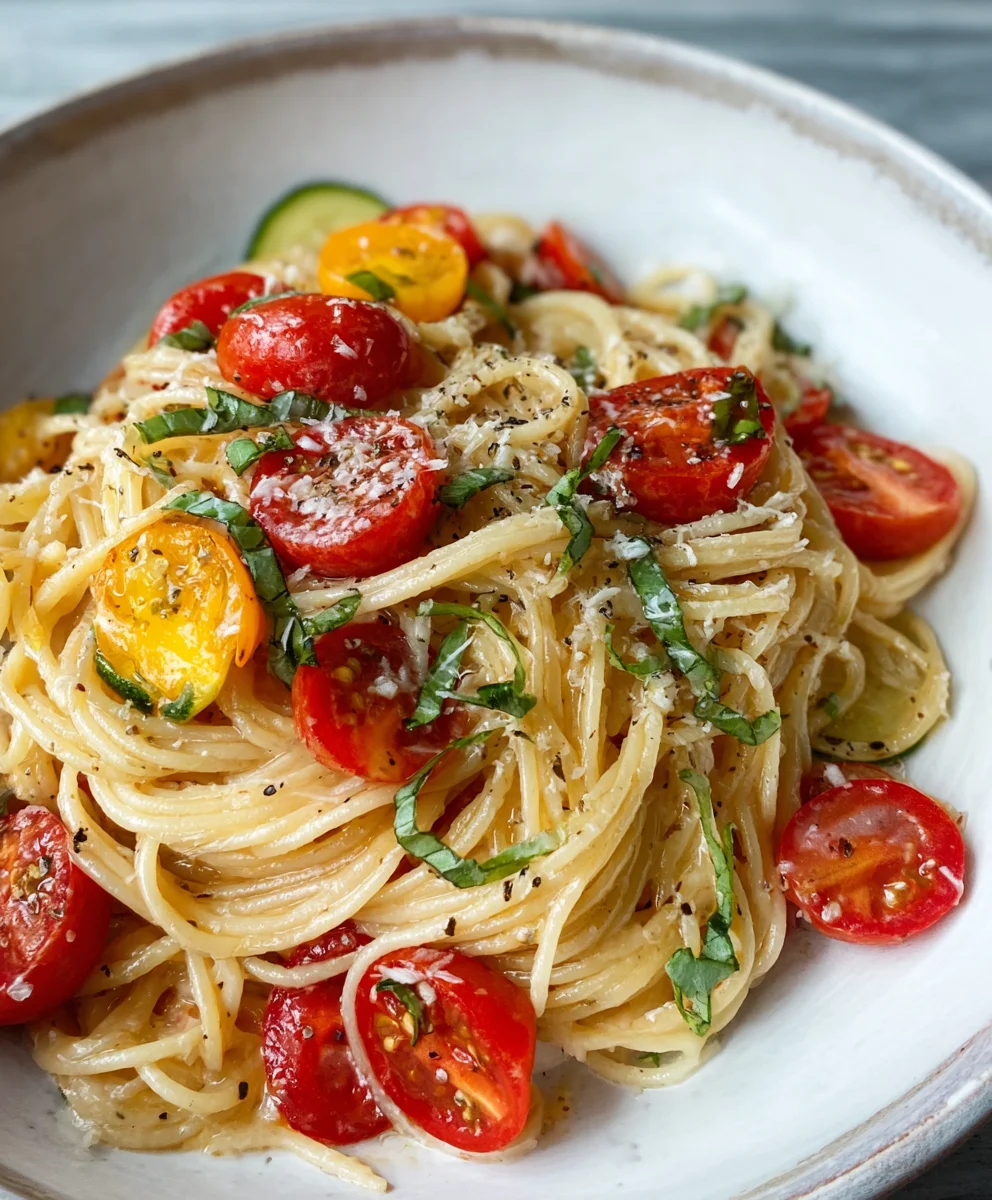
We hope you’ve enjoyed diving into this delightful recipe for Ina Garten Summer Garden Pasta! This dish truly embodies the essence of fresh, vibrant flavors, making it a perfect centerpiece for any summer gathering or a light, satisfying weeknight meal. Its simplicity allows the quality of the seasonal vegetables to shine through, creating a harmonious and incredibly delicious experience. Whether you’re an experienced cook or just starting out, this recipe is wonderfully approachable and rewarding.
When serving, consider pairing your Ina Garten Summer Garden Pasta with a crisp white grape juice or a light rosé. A simple side salad with a lemon vinaigrette or some crusty bread to soak up any extra sauce would be fantastic accompaniments. Don’t be afraid to get creative with the vegetables! This recipe is a fantastic canvas for whatever looks best at your local market. Feel free to add cherry tomatoes, zucchini, yellow squash, or even some fresh corn kernels.
We encourage you to try making Ina Garten Summer Garden Pasta soon and experience its sunny disposition on a plate. We’re confident it will become a cherished recipe in your summer repertoire!
FAQs:
Can I make this pasta ahead of time?
While the pasta itself is best enjoyed fresh, you can prepare the vegetables and the sauce base ahead of time. Store them separately in airtight containers in the refrigerator. When you’re ready to serve, cook the pasta, then gently warm the sauce and toss everything together.
What kind of pasta works best for Ina Garten Summer Garden Pasta?
This recipe is quite versatile! While linguine or fettuccine are excellent choices that hold the sauce well, you can also use other long pasta shapes like spaghetti or even short pasta like penne or farfalle. The key is to choose a pasta that complements the fresh vegetables without overpowering them.
Ina Garten’s Summer Garden Pasta
A vibrant and fresh pasta dish packed with summer vegetables, inspired by Ina Garten’s Summer Garden Pasta.
Ingredients
-
1 pound pasta (such as penne, fusilli, or farfalle)
-
2 tablespoons olive oil
-
1 large red onion, thinly sliced
-
3 cloves garlic, minced
-
1 pint cherry tomatoes, halved
-
1 zucchini, medium, diced
-
1 yellow squash, medium, diced
-
1 red bell pepper, seeded and diced
-
1/2 cup fresh basil leaves, chopped
-
1/4 cup grated Parmesan cheese, plus more for serving
-
Salt and freshly ground black pepper to taste
-
Optional: Pinch of red pepper flakes for a touch of heat
Instructions
-
Step 1
Prepare all vegetables: wash and dice zucchini, yellow squash, and red bell pepper. Mince garlic finely. Thinly slice red onion. Halve cherry tomatoes. Roughly chop fresh basil leaves. Have all ingredients prepped and ready. -
Step 2
Boil pasta in a large pot of generously salted boiling water until al dente. Reserve about 1 cup of pasta water before draining. Set pasta aside. -
Step 3
Heat olive oil in a large skillet over medium heat. Sauté red onion for 5-7 minutes until softened. Add minced garlic and red pepper flakes (if using) and cook for another minute until fragrant. -
Step 4
Add diced zucchini, yellow squash, and red bell pepper to the skillet. Increase heat to medium-high and cook for 8-10 minutes, stirring occasionally, until tender-crisp. -
Step 5
Add halved cherry tomatoes and cook for 3-5 minutes until they begin to soften and burst. Stir in chopped basil and Parmesan cheese. -
Step 6
Add drained pasta to the skillet with the vegetables. Toss to combine. Add reserved pasta water, a splash at a time, until a light sauce forms. Season with salt and pepper. -
Step 7
Serve immediately, garnished with extra Parmesan cheese and fresh basil leaves.
Important Information
Nutrition Facts (Per Serving)
It is important to consider this information as approximate and not to use it as definitive health advice.
Allergy Information
Please check ingredients for potential allergens and consult a health professional if in doubt.