Easy Tanghulu Recipe – Perfect Candied Fruit Skewers
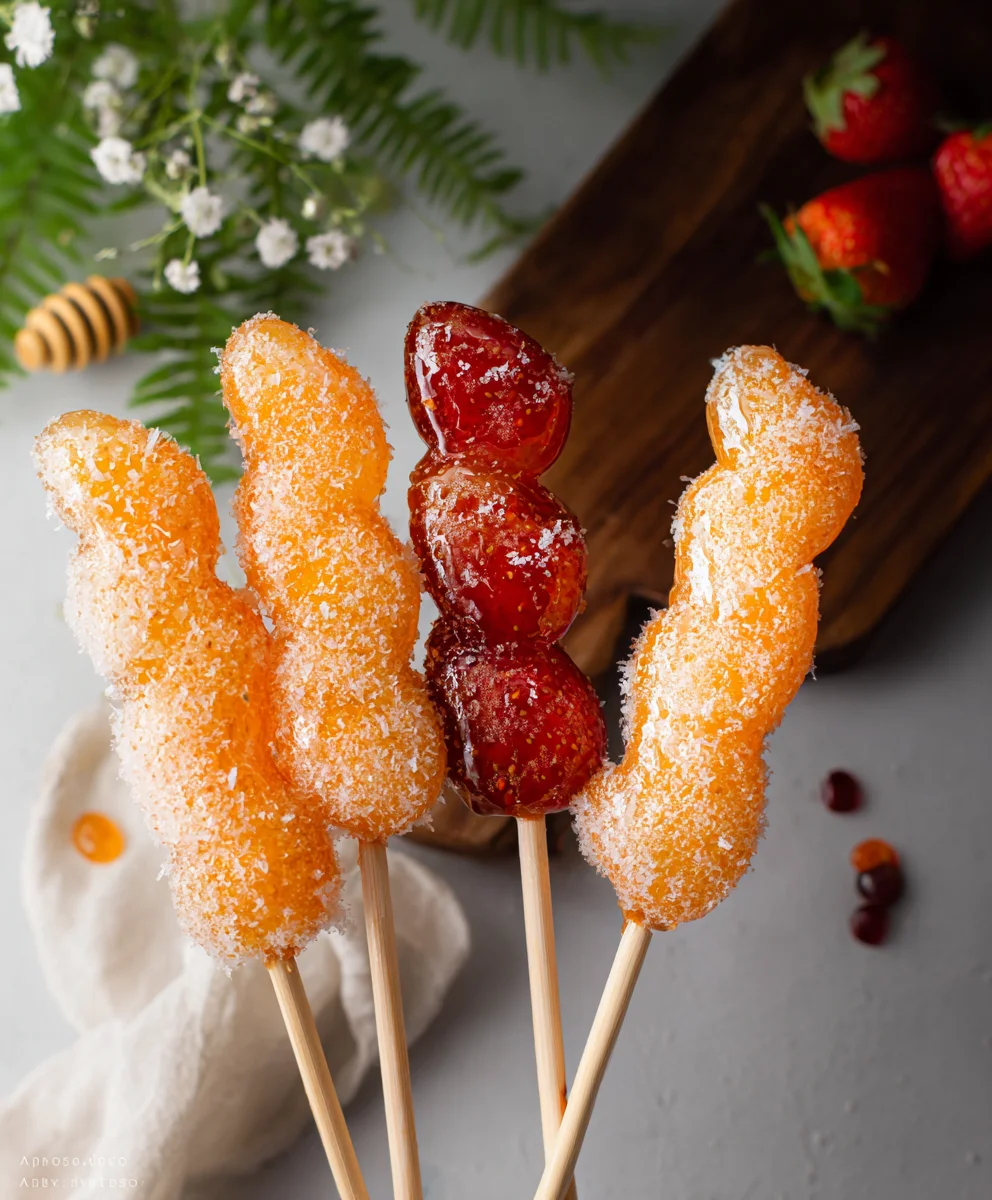
Tanghulu Recipe delights the senses and transports you to a world of sweet, crunchy bliss. Have you ever seen those vibrant, jewel-like fruits coated in a shimmering, transparent candy shell and wondered how you could recreate that magic at home? Well, wonder no more! This Tanghulu Recipe will guide you through the simple yet captivating process of making this beloved Chinese street food. It’s no wonder Tanghulu has captured hearts worldwide; the satisfying crack as you bite through the brittle sugar glaze, followed by the burst of fresh, juicy fruit, is an experience unlike any other. What truly sets this treat apart is the stunning contrast between the cool, tangy fruit and the warm, sweet caramel, creating a harmonious symphony of flavors and textures. Get ready to impress yourself and your loved ones with this exquisitely simple yet utterly delightful creation.
Ingredients:
- 2 cups granulated sugar
- 1 cup water
- 1/2 cup light corn syrup
- 20-25 small to medium-sized fruits (such as strawberries, grapes, cherry tomatoes, or small clementines)
- Wooden skewers or lollipop sticks
- Parchment paper or silicone baking mat
Preparing Your Fruit for Perfection
The first crucial step in creating a beautiful and delicious Tanghulu is preparing your fruit. This isn’t just about washing them; it’s about ensuring they are perfectly dry for optimal candy coating adhesion. For strawberries, gently rinse them and then pat them thoroughly dry with paper towels. You want absolutely no moisture on their surface. If you’re using grapes, rinse them and ensure they are completely dry. For cherry tomatoes, a quick rinse and a good pat dry will suffice. If you opt for small clementines, peel them and then pat each segment very dry. Any residual water can cause the sugar syrup to seize up or result in a less glossy, uneven coating. Once dried, carefully insert a wooden skewer or lollipop stick into the stem end of each fruit. Push it in about halfway to two-thirds of the way, ensuring it’s secure enough to hold the fruit but not so deep that it pierces the other side. This stick will be your handle for dipping and holding the fruit while the candy hardens.
Crafting the Perfect Candy Syrup
Now for the magic: the sugar syrup. In a medium-sized, heavy-bottomed saucepan, combine the granulated sugar, water, and light corn syrup. Corn syrup is essential here; it acts as an anti-crystallization agent, preventing the sugar from becoming grainy and ensuring a smooth, glassy coating. Use a heavy-bottomed pot because it distributes heat more evenly, reducing the risk of scorching the sugar. Stir the mixture gently over medium heat just until the sugar dissolves. Once dissolved, stop stirring. Resist the urge to stir the syrup from this point onwards, as stirring can introduce sugar crystals and lead to crystallization. Clip a candy thermometer to the side of the pot, making sure the tip is submerged in the syrup but not touching the bottom of the pan.
Reaching the Critical Hard Crack Stage
Allow the syrup to boil undisturbed. You’ll see it start to bubble and thicken. Continue to boil until the candy thermometer reaches 300-310 degrees Fahrenheit (150-155 degrees Celsius). This is the “hard crack” stage, which is crucial for a brittle, shatteringly crisp candy coating. The syrup will turn a light amber color as it reaches this temperature. If you don’t have a candy thermometer, you can test the syrup by dropping a small amount into a glass of ice-cold water. It should form hard, brittle threads that break easily. Be extremely patient during this stage. It might seem like it’s taking a long time, but rushing can lead to an undercooked syrup that will be sticky. Once it reaches the target temperature, immediately remove the saucepan from the heat.
The Art of Dipping Your Tanghulu
This is where the artistry comes in. Carefully and swiftly dip each prepared fruit into the hot sugar syrup. Tilt the saucepan slightly to make dipping easier. Rotate the fruit to coat it evenly all around. For an extra-smooth finish, you can gently swirl the fruit in the syrup. As soon as the fruit is coated, lift it out and let any excess syrup drip back into the pan for a few seconds. Work quickly, as the syrup will start to cool and thicken, making it harder to coat evenly. If the syrup starts to get too thick or crystallize, you can return the saucepan to very low heat for a moment to loosen it up, but be careful not to overheat it.
Setting Your Tanghulu to Shine
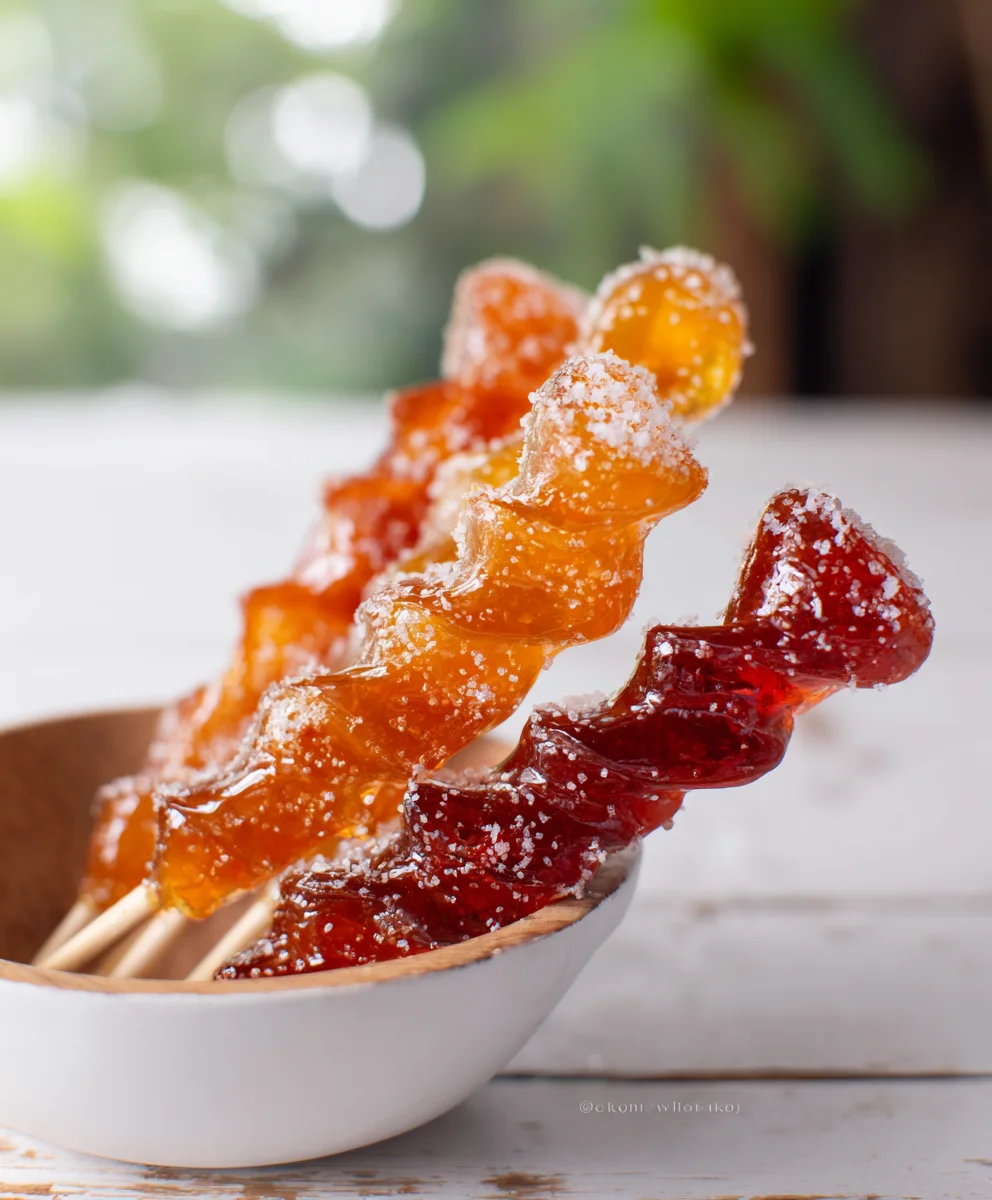
Once each fruit is coated, carefully place it onto the prepared parchment paper or silicone baking mat. Arrange them with a little space between each one so they don’t stick together as they cool. You’ll notice the candy coating will start to harden very quickly. The goal is to have a smooth, glassy shell encasing your fruit. You can let them air dry at room temperature, which usually takes about 15-30 minutes, depending on the humidity. For faster results, you can place them in the refrigerator for about 10-15 minutes. Once fully hardened, your Tanghulu are ready to be admired and enjoyed. The shiny, brittle candy shell should crack with a satisfying crunch, revealing the sweet and juicy fruit inside.
Conclusion:
You’ve now learned how to create the delightful Tanghulu Recipe, a classic Chinese street food that’s surprisingly simple and incredibly rewarding. This recipe offers a beautiful balance of crisp, crunchy candied coating and the juicy, refreshing fruit within. Whether you’re making them for a special occasion, a fun family activity, or just a delightful treat for yourself, the satisfaction of biting into a perfectly made Tanghulu is unparalleled. Don’t be afraid to experiment with different fruits as you become more comfortable – the possibilities are truly endless!
For serving suggestions, Tanghulu are best enjoyed fresh, straight after the candy has hardened. They make a fantastic dessert or a sweet snack. You can arrange them on a platter for a stunning visual display. For variations, consider adding a touch of edible glitter to the melted sugar for an extra sparkle, or even a hint of food coloring to the candy syrup for vibrant hues. Remember, the key to success is patience with the cooling process. I encourage you to give this Tanghulu Recipe a try; you’ll be amazed at how easy and enjoyable it is to make this beautiful confection.
Frequently Asked Questions:
What kind of fruits are best for Tanghulu?
While strawberries and grapes are very popular and work wonderfully, other firm fruits like cherry tomatoes, blueberries, small tangerines, or even pieces of apple or pear can be used. The key is to choose fruits that are relatively firm and don’t release too much water when cooled.
My candy coating is cloudy, not clear. What did I do wrong?
Cloudy candy coating often happens if the sugar syrup is stirred too much after it starts to boil, or if impurities are present. Ensure your pot is clean and try to avoid stirring once the sugar is dissolved and the syrup begin extracts to boil. Also, make sure you are using pure granulated sugar.
Easy Tanghulu Recipe – Perfect Candied Fruit Skewers
Create beautiful and delicious Tanghulu with this easy recipe for perfect candied fruit skewers.
Ingredients
-
2 cups granulated sugar
-
1 cup water
-
1/2 cup light corn syrup
-
20-25 small to medium-sized fruits (such as strawberries, grapes, cherry tomatoes, or small clementines)
-
Wooden skewers or lollipop sticks
-
Parchment paper or silicone baking mat
Instructions
-
Step 1
Prepare your fruit by washing and thoroughly drying each piece. Insert a wooden skewer or lollipop stick about halfway into the stem end of each fruit, ensuring it is secure. -
Step 2
In a medium-sized, heavy-bottomed saucepan, combine granulated sugar, water, and light corn syrup. Stir gently over medium heat until the sugar dissolves. Once dissolved, stop stirring. -
Step 3
Clip a candy thermometer to the side of the pot. Boil the syrup undisturbed until it reaches 300-310°F (150-155°C), the hard crack stage. The syrup should turn a light amber color. -
Step 4
Once the syrup reaches the correct temperature, immediately remove the saucepan from the heat. Carefully and swiftly dip each prepared fruit into the hot sugar syrup, tilting the pan to coat evenly. Rotate the fruit to ensure full coverage. -
Step 5
Lift the coated fruit out of the syrup and let excess drip back into the pan for a few seconds. Work quickly as the syrup will cool and thicken. -
Step 6
Place each coated fruit onto the prepared parchment paper or silicone baking mat, leaving space between them. Allow them to air dry at room temperature for 15-30 minutes, or refrigerate for 10-15 minutes until fully hardened.
Important Information
Nutrition Facts (Per Serving)
It is important to consider this information as approximate and not to use it as definitive health advice.
Allergy Information
Please check ingredients for potential allergens and consult a health professional if in doubt.