Easy Chimichurri Sauce Recipe- Vibrant Flavor
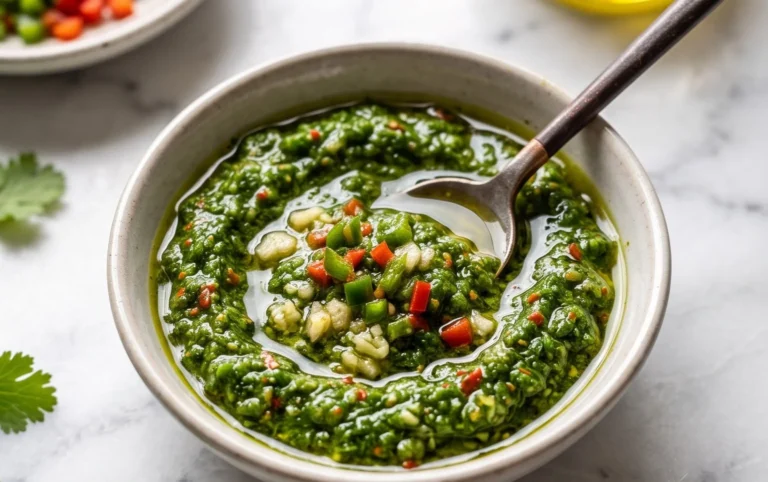
Chimichurri sauce is more than just a condiment; it’s a vibrant explosion of fresh herbs and zesty flavor that elevates everything it touches. This Argentinian staple, a bright green symphony of parsley, oregano, garlic, and vinegar, has captured hearts and taste buds around the globe for a reason. Imagin extracte grilled meats, roasted vegetables, or even humble eggs, all transformed with a drizzle of this herbaceous magic. What truly makes chimichurri sauce so special is its incredible versatility and the sheer freshness it brings to any dish. It’s the perfect counterpoint to rich, savory flavors, offering a clean, herbaceous bite that cuts through fat and awakens the palate. Whether you’re firing up the grill or simply looking to add a burst of brightness to your weeknight meal, this authentic chimichurri sauce is your secret weapon for culinary deliciousness.
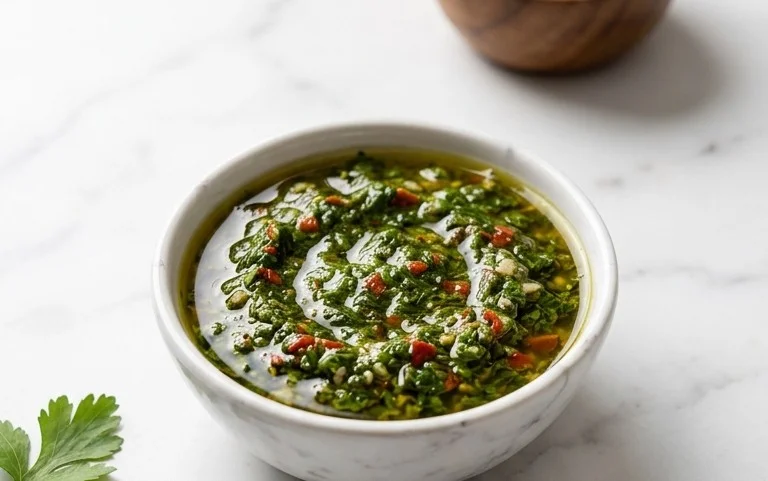
Chimichurri Sauce
There are few condiments that can transform a simple grilled steak, roasted chicken, or even a humble vegetable into something truly extraordinary. Chimichurri sauce is one of those magical elixirs. Hailing from Argentina and Uruguay, this vibrant, herbaceous, and zesty sauce is surprisingly simple to make but delivers an explosion of flavor that is both fresh and robust. It’s the perfect accompaniment to rich, grilled meats, but I also love to drizzle it over roasted vegetables, use it as a marinade, or even stir it into a potato salad. Forget those store-bought versions; once you make this homemade chimichurri, you’ll never go back.
The beauty of chimichurri lies in its fresh ingredients and minimal processing. It’s not cooked, which means all those bright, aromatic flavors remain wonderfully intact. The key is to use the freshest herbs possible, and the combination of parsley, cilantro, and oregano creates a complex and wonderfully balanced herbaceous profile. The garlic provides a pungent kick, the vinegars add a delightful tang, and the olive oil binds it all together into a luscious, spoonable sauce.
Ingredients:
*For best results, use flat-leaf parsley. Italian flat-leaf parsley has a more robust flavor than curly parsley, which can sometimes be a little bitter. Make sure the parsley is washed and thoroughly dried before chopping. Excess water can dilute the flavor of your chimichurri and also affect its shelf life. A salad spinner is your best friend here!
**While extra virgin extract olive oil is often recommended for its peppery notes, a good quality regular olive oil will also work beautifully and will allow the herb flavors to shine through even more.
Instructions:
1. Prepare the Herbs and Aromatics: This is where the magic begin extracts. Start by thoroughly washing and drying your fresh herbs. For the parsley and cilantro, remove any thick stems, as these can be tough and detract from the smooth texture of the sauce. You want to use just the leafy parts. Finely chop the parsley and cilantro. The finer the chop, the more evenly the flavors will distribute throughout the sauce. You can do this by hand with a sharp knife, or if you prefer a slightly more rustic texture, you can pulse them briefly in a food processor. Next, finely mince the red onion or shallot. A small amount of onion adds a subtle bite and sweetness that complements the other ingredients. Finally, peel and finely mince the garlic cloves. You can also use a garlic press if you have one, but be sure to mince any larger chunks.
2. Combine the Base Ingredients: In a medium bowl, combine the finely chopped parsley, cilantro, oregano, minced red onion (or shallot), and minced garlic. Add the salt and red pepper flakes (if using). It’s crucial to add the salt at this stage to help draw out some of the moisture from the herbs and aromatics, further intensifying their flavors. If you’re using dried oregano, add it now. Gently stir these dry ingredients together to ensure everything is well distributed. This initial mix will already start to smell incredibly fragrant.
3. Incorporate the Vinegars and Citrus: Now it’s time to add the acidic elements that will brighten and balance the sauce. Pour in the red grape juice vinegar and the fresh lemon juice. Red grape juice vinegar offers a slightly milder and fruitier tang compared to red grape juice vinegar, which is often used. Lemon juice adds another layer of bright, citrusy acidity. Stir everything together thoroughly. At this point, you can taste the mixture and adjust the salt if needed. Remember, you’ll be adding olive oil next, which will mellow the flavors slightly, so it’s good to have the base seasoned well.
4. Emulsify with Olive Oil: This is the final step to achieving that perfect chimichurri consistency. Slowly drizzle in the olive oil while continuously stirring or whisking. The goal is to create a well-emulsified sauce, meaning the oil and the liquid ingredients are bound together. You can do this by hand with a whisk or fork, or if you’re using a food processor, you can stream the olive oil in through the feed tube while the processor is running. Continue adding the olive oil until you reach your desired consistency. It should be thick enough to cling to whatever you’re serving it with, but not so thick that it’s pasty. A good chimichurri will have a slightly loose, pourable but rich texture.
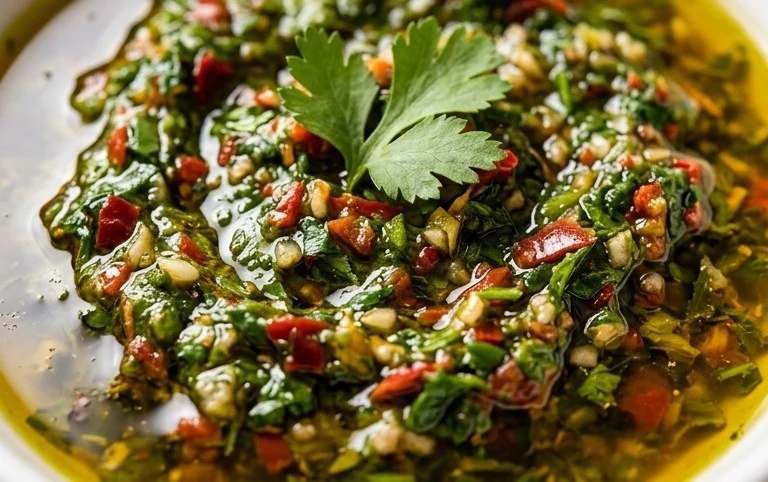
5. Rest and Adjust for Optimal Flavor: This step is key to allowing the flavors to meld and deepen. Once your chimichurri is fully combined, cover the bowl or transfer it to an airtight container. Let it sit at room temperature for at least 15-30 minutes before serving. This resting period is essential for all those fresh herbs and aromatics to get to know each other and develop a more harmonious flavor profile. After resting, give it another good stir. Taste it again and make any final adjustments to salt, vinegar, or lemon juice. You might find you want a little more heat from the red pepper flakes, or a touch more acidity. Chimichurri is very forgiving and easily customizable to your personal preferences. You can also add a pinch more salt if the flavors feel a bit flat. This sauce is best enjoyed fresh, but it will keep in an airtight container in the refrigerator for up to 5 days. The vibrant green color might dull slightly over time, but the flavor will remain delicious.
Conclusion:
And there you have it – your guide to making the most vibrant and flavorful chimichurri sauce! This recipe is truly a game-changer because it’s incredibly simple to whip up yet delivers such a powerful punch of fresh, herbaceous goodness. It’s the perfect way to elevate everything from grilled steaks and chicken to roasted vegetables and even your morning eggs. Don’t be afraid to experiment! The beauty of chimichurri lies in its adaptability.
I encourage you to give this recipe a try. You’ll be amazed at how quickly it becomes a staple in your kitchen. Once you’ve mastered the basic recipe, feel free to play with different herbs or add a touch of spice. It’s a wonderfully versatile condiment that brings a taste of Argentina right to your plate. So grab your ingredients and get ready to impress yourself and your loved ones with this amazing sauce!
Frequently Asked Questions about Chimichurri Sauce:
What is the best way to store leftover chimichurri sauce?
You can store your delicious chimichurri sauce in an airtight container in the refrigerator for up to a week. For longer storage, you can freeze it in ice cube trays and then transfer the frozen cubes to a freezer-safe bag. This makes it super convenient to grab a portion whenever you need a flavor boost.
Can I adjust the spice level of my chimichurri sauce?
Absolutely! If you like a bit of heat, you can add a pinch of red pepper flakes to the sauce or even finely mince a fresh chili pepper (like a jalapeño or serrano) and include it. For a milder sauce, simply omit any spicy additions.
What other dishes pair well with chimichurri sauce besides grilled meats?
The possibilities are nearly endless! Chimichurri is fantastic drizzled over grilled fish, roasted potatoes, pan-seared tofu, or even used as a dressing for a hearty grain salad. It’s also a brilliant accompaniment to empanadas or as a dip for crusty bread.
Chimichurri Sauce
A vibrant and herbaceous Argentinian sauce, perfect for grilling.
Ingredients
-
1 1/2 cups well packed (42g) fresh parsley
-
1/2 cup well packed (20g) fresh cilantro
-
1/4 cup (9g) fresh oregano
-
1/4 small red onion
-
3 garlic cloves
-
3 Tbsp red grape juice vinegar
-
2 Tbsp fresh lemon juice
-
1/2 tsp salt
-
1/4 tsp red pepper flakes
-
3/4 cup olive oil
Instructions
-
Step 1
Finely chop the fresh parsley, cilantro, and oregano. If using dried oregano, mince it very finely. -
Step 2
Finely dice the red onion (or shallot). -
Step 3
Mince the garlic cloves. -
Step 4
In a medium bowl, combine the chopped herbs, diced red onion, minced garlic, red grape juice vinegar, fresh lemon juice, salt, and red pepper flakes (if using). -
Step 5
Slowly whisk in the olive oil until well combined. The sauce should be emulsified but still have some texture. -
Step 6
Taste and adjust seasoning with more salt or red pepper flakes if desired. Let it sit for at least 15 minutes to allow the flavors to meld.
Important Information
Nutrition Facts (Per Serving)
It is important to consider this information as approximate and not to use it as definitive health advice.
Allergy Information
Please check ingredients for potential allergens and consult a health professional if in doubt.