Cozy Winter Salad Recipe- Delicious & Refreshing
Winter salad recipes are often underestimated, but they can be a vibrant burst of flavor and nutrition when the weather turns cold. Forget the wilted greens of summer; this winter salad recipe is designed to embrace the season’s bounty with robust textures and comforting warmth. It’s a dish that proves salads aren’t just for sunny days. People adore this winter salad because it’s a delightful departure from heavy stews and casseroles, offering a refreshing yet satisfying alternative. What makes it truly special is the surprising interplay of sweet, savory, and slightly bitter notes, all brought together by a bright, zesty dressing. This isn’t your average salad; it’s a celebration of winter’s unique ingredients, transforming humble produce into something truly extraordinary. Get ready to fall in love with your vegetables all over again with this incredible winter salad.
Winter Salad Recipe
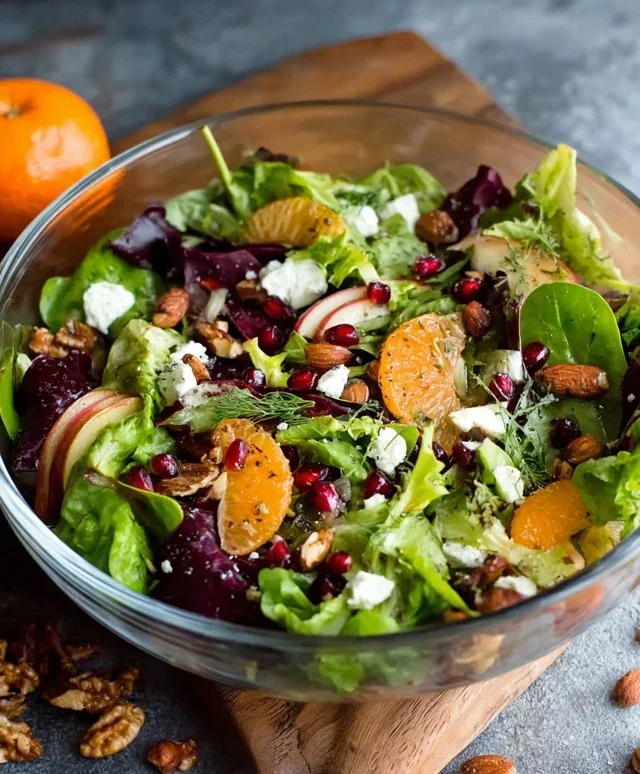
Winter doesn’t have to mean a break from fresh, vibrant salads! This Winter Salad recipe is a celebration of the season’s bounty, bringin extractg together hearty roots, crisp greens, and sweet, tangy elements that create a symphony of flavors and textures. It’s the perfect antidote to dreary days, offering a bright and satisfying meal that feels both nourishing and indulgent. We’re moving beyond the typical lettuce-based salads to embrace ingredients that truly shine when the weather turns cooler. This recipe is incredibly versatile, so feel free to adapt it based on what you find at your local market or what you have on hand. The key is the interplay of different flavors and textures, so let’s dive in!
Ingredients:
Roasting the Butternut Squash
The foundation of this salad is beautifully roasted butternut squash. Roasting brings out its natural sweetness and gives it a tender, slightly caramelized texture. This is a critical step that sets the stage for the entire salad.
Assembling the Salad
Once the squash is roasted and the vinaigrette is whisked together, it’s time to bring all these delicious components together for a truly remarkable salad experience.
Detailed Instructions
Conclusion:
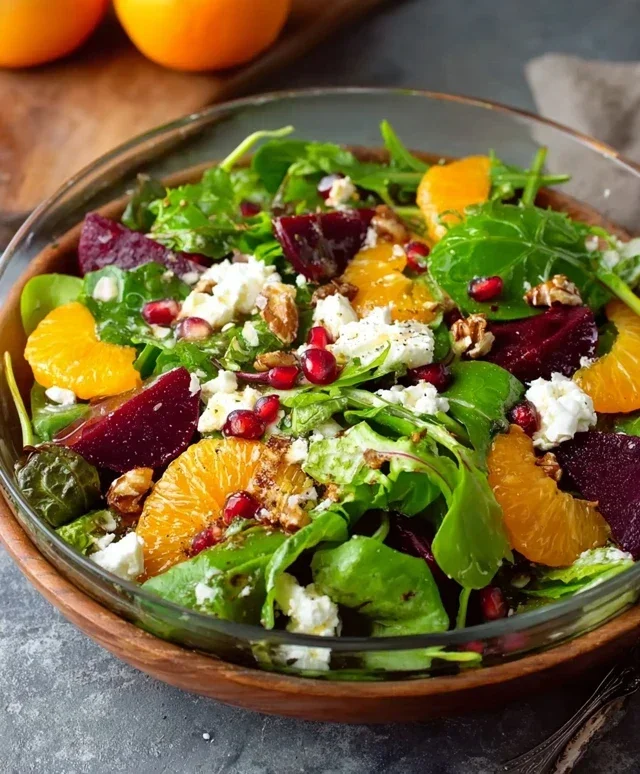
I truly hope you’ve enjoyed learning how to create this vibrant and satisfying Winter Salad Recipe. It’s a testament to how simple, fresh ingredients can come together to form a dish that’s both nourishing and bursting with flavor, even when the weather outside is chilly. This salad is fantastic because it celebrates the heartier vegetables and fruits that are in season during the colder months, offering a welcome burst of color and texture to your meals. Its versatility makes it a standout, easily adaptable to your personal taste and what you have on hand.
For serving, I love to present this as a light yet filling lunch, a perfect accompaniment to a hearty soup or roasted chicken, or even as a sophisticated side dish for a holiday gathering. Don’t be afraid to experiment with the components! Consider adding toasted nuts like walnuts or pecans for an extra crunch, crum extractbled goat cheese or feta for a salty tang, or dried cranberries for a touch of sweetness. It also pairs wonderfully with a warm grain like quinoa or farro mixed in for added substance.
I wholeheartedly encourage you to give this Winter Salad Recipe a try. It’s a refreshing departure from heavy winter fare and proves that salads can be enjoyed and celebrated year-round. I’m confident it will become a staple in your recipe collection!
Frequently Asked Questions:
Can I make this salad ahead of time?
Yes, you can! It’s best to keep the dressing separate and toss everything together just before serving to prevent the greens from wilting and the nuts from losing their crispness. You can chop most of the vegetables and prepare the dressing a day in advance.
What are some good protein additions for this salad?
This salad is excellent with added protein. Grilled chicken breast, pan-seared salmon, chickpeas, or even some leftover roasted turkey would be delicious additions to make it a complete meal.
Is it possible to use different greens?
Absolutely! While I love the heartiness of knon-alcoholic ale and spinach for this winter salad, feel free to substitute with other sturdy greens like romaine or even a mix of arugula and baby spinach. Just ensure they can stand up to the other ingredients.
Winter Salad with Maple-Dijon Vinaigrette
A hearty and flavorful winter salad featuring roasted root vegetables, crisp greens, and a tangy maple-Dijon vinaigrette. Perfect for a light yet satisfying meal.
Ingredients
-
1 pound mixed winter root vegetables (such as carrots, parsnips, sweet potatoes), peeled and cubed
-
2 tablespoons olive oil
-
1/2 teaspoon salt
-
1/4 teaspoon black pepper
-
6 cups mixed salad greens (e.g., kale, spinach, arugula)
-
1/4 cup crumbled goat cheese
-
1/4 cup toasted walnuts
-
2 tablespoons maple syrup
-
1 tablespoon Dijon mustard
-
2 tablespoons apple cider vinegar
-
1/4 cup vegetable oil
Instructions
-
Step 1
Preheat oven to 400°F (200°C). Toss cubed root vegetables with olive oil, salt, and pepper on a baking sheet. -
Step 2
Roast vegetables for 25-30 minutes, or until tender and lightly caramelized, flipping halfway through. -
Step 3
While vegetables are roasting, prepare the vinaigrette. In a small bowl, whisk together maple syrup, Dijon mustard, and apple cider vinegar. -
Step 4
Slowly drizzle in the vegetable oil while whisking continuously until emulsified. -
Step 5
In a large bowl, combine mixed salad greens, roasted root vegetables, crumbled goat cheese, and toasted walnuts. -
Step 6
Drizzle the maple-Dijon vinaigrette over the salad and toss gently to combine.
Important Information
Nutrition Facts (Per Serving)
It is important to consider this information as approximate and not to use it as definitive health advice.
Allergy Information
Please check ingredients for potential allergens and consult a health professional if in doubt.