Creamy Potatoes Au Gratin Recipe- Easy Comfort Food
Potatoes au gratin is a dish that whispers comfort and screams indulgence. We’re talking about that irresistible, golden-brown crust giving way to tender, creamy layers of potato, all bathed in a rich, savory sauce. It’s no wonder this classic French preparation has captured hearts (and stomachs) for generations. The magic of potatoes au gratin lies in its simplicity elevated. It takes humble potatoes and transforms them into something truly extraordinary, a testament to how a few well-chosen ingredients and a little love can create pure culinary bliss. Whether you’re looking for a show-stopping side dish for a special occasion or a comforting weeknight treat, this recipe for potatoes au gratin is guaranteed to deliver smiles and second helpings.
Why We Adore Potatoes Au Gratin
A Symphony of Texture and Flavor
There’s something profoundly satisfying about the interplay of textures in a well-made potatoes au gratin. The crisp edges of the potatoes, the yielding tenderness within, and the luscious creaminess of the sauce create a delightful contrast that dances on the palate. It’s a dish that feels both elegant and wonderfully down-to-earth, perfect for any gathering. The way the cheese melts and bubbles, forming that signature golden crust, is a sight to behold, promising a deeply flavorful experience with every bite. It’s a dish that truly celebrates the humble potato, turning it into a star.
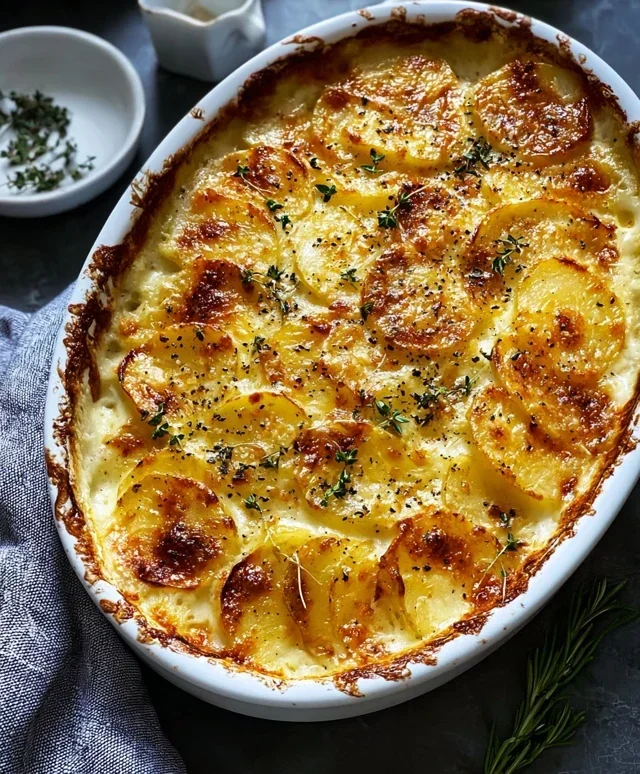
Potatoes Au Gratin: A Creamy, Cheesy Dream
There’s something undeniably comforting about a perfectly executed Potatoes Au Gratin. It’s a dish that speaks of warmth, indulgence, and pure culinary delight. The layers of thinly sliced potatoes, bathed in a rich, creamy sauce, and crowned with a golden, bubbly crust of cheese – it’s a classic for a reason. This recipe aims to guide you through creating that dream dish in your own kitchen, no fancy restaurant required. We’ll be using simple, quality ingredients to achieve a result that’s both elegant and incredibly satisfying. So, gather your potatoes, your cream, and your cheese, and let’s embark on this delicious journey together.
Ingredients:
Cooking Instructions:
The magic of Potatoes Au Gratin lies in its simplicity and the way the flavors meld together beautifully. Here’s how we’ll bring this classic to life:
Preparation is Key
1. Begin extract by preparing your potatoes. After peeling, the most crucial step for a successful gratin is slicing the potatoes as uniformly and thinly as possible. I find that a mandoline slicer is an invaluable tool for this, ensuring consistent thickness which leads to even cooking. If you don’t have a mandoline, a very sharp knife and a steady hand will do. Aim for slices about 1/8-inch thick. Overlapping slices will create a more cohesive dish. Once sliced, you can place them in a bowl of cold water for about 15-20 minutes to remove excess starch. This helps prevent them from sticking together too much during baking, although a little starch is good for binding. After soaking, drain them thoroughly and pat them completely dry with paper towels. Moisture is the enemy of a good crispy topping, so this step is important.
Building the Flavor Base
2. While your potatoes are soaking, preheat your oven to 375°F (190°C). Now, let’s prepare the vessel for our gratin. Take your 8×8 inch baking dish (or a similarly sized oval gratin dish) and generously grease it with 2 tablespoons of the softened unsalted butter. This not only prevents sticking but also adds a subtle richness to the bottom layer of potatoes. In a separate medium bowl, combine the heavy cream, minced garlic cloves, 4 tablespoons of the grated Parmesan cheese, and the shredded white cheddar cheese. Season this mixture generously with salt and freshly ground black pepper. Remember, potatoes are quite bland on their own, so don’t be shy with the seasonings. Stir everything together until well combined. The garlic will infuse its aromatic flavor into the cream as it bakes, creating a wonderfully savory sauce.
Layering for Perfection
3. Now comes the satisfying part: layering. Take your dried, thinly sliced potatoes and begin extract arrangin extractg them in overlapping layers in the prepared baking dish. Try to be methodical with your layering; this will not only make for a beautiful presentation but also ensure each bite is packed with flavor. I like to start with a slightly denser layer at the bottom and then build up. Once you have a good portion of your potatoes layered, pour about half of the cream and cheese mixture over them. Gently shake the dish to help the liquid distribute evenly amongst the potato slices. Continue layering the remaining potatoes, ensuring they are packed in snugly. Pour the rest of the cream mixture over the top, making sure it covers most of the potato slices. You might have a few peeking out, and that’s perfectly fine – they’ll get nicely browned.
The Golden Crown
4. The final touch before baking is the crowning glory of melted cheese and butter. Take the remaining 2 tablespoons of softened unsalted butter and dot small pieces evenly over the top of the potatoes. Then, sprinkle the remaining 2 tablespoons of grated Parmesan cheese over the buttered surface. This combination of butter and Parmesan will create that irresistible golden-brown crust that we all know and love from a classic gratin. The butter will melt and crisp up the edges of the potatoes, while the Parmesan adds a salty, nutty depth of flavor and that beautiful golden hue.
Baking to Beautiful Perfection
5. Carefully place the prepared baking dish into your preheated oven. Bake for approximately 50-60 minutes, or until the potatoes are tender when pierced with a fork, the cream is bubbling around the edges, and the top is beautifully golden brown and slightly crisp. If you notice the top is browning too quickly before the potatoes are fully tender, you can loosely tent the dish with aluminum foil for the remainder of the baking time. Once baked to perfection, remove the Potatoes Au Gratin from the oven and let it rest for at least 10-15 minutes before serving. This resting period is crucial as it allows the sauce to thicken slightly and the flavors to settle, making it easier to serve and preventing it from being too runny. The aroma alone will be non-intoxicating, and the anticnon-alcoholic ipation will be well worth it. Serve this creamy, cheesy delight as a stunning side dish or even as a comforting main course.
Conclusion:
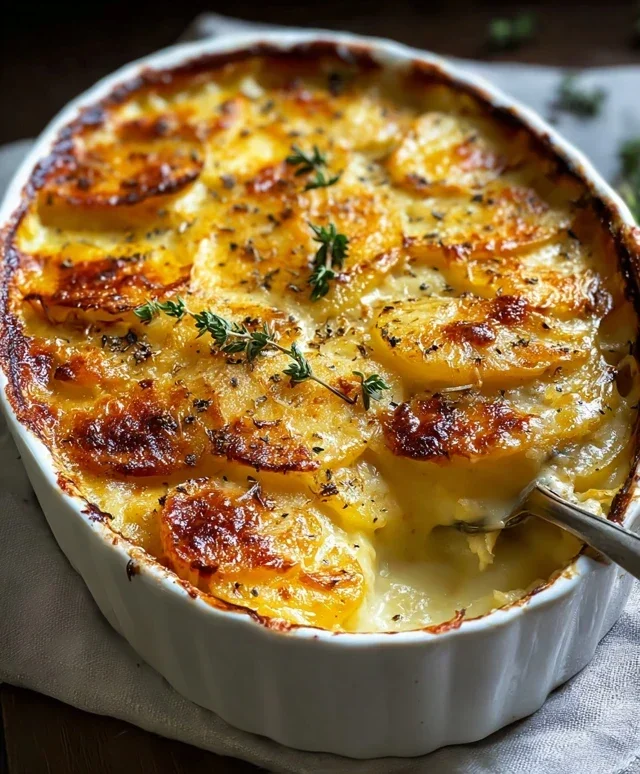
There you have it – a foolproof guide to crafting the most delectable Potatoes Au Gratin! This classic dish truly shines with its rich, creamy texture and satisfyingly tender potatoes, all crowned with a beautifully golden-brown crust. It’s incredibly versatile, making it the perfect accompaniment to a wide array of main courses, from roasted chicken or a hearty beef roast to grilled salmon or even a simple vegetarian entrée. Don’t be afraid to get creative with variations! Consider adding a pinch of nutmeg to the bécbeef hamel for an extra layer of warmth, or mixing in some finely chopped garlic or shallots for a more pungent flavor. For a touch of luxury, a sprinkle of Gruyère or Parmesan cheese alongside the cheddar will elevate it further. I truly encourage you to give this Potatoes Au Gratin recipe a try; it’s a crowd-pleaser that’s surprisingly simple to make and guaranteed to impress your family and friends. It’s a dish that feels both comforting and elegant, perfect for any occasion.
Frequently Asked Questions about Potatoes Au Gratin:
Why is my potatoes au gratin watery?
A common reason for watery potatoes au gratin is insufficient draining of the potatoes after boiling or slicing them too thinly. Ensure you pat them dry thoroughly before layering them in the baking dish. Also, making sure your sauce is sufficiently thickened before pouring it over the potatoes can help prevent excess liquid.
Can I make potatoes au gratin ahead of time?
Yes, you absolutely can! You can assemble the potatoes au gratin up to a day in advance. Cover it tightly with plastic wrap and refrigerate. When you’re ready to bake, remove it from the refrigerator about 30 minutes before baking to allow it to come closer to room temperature, and then bake as directed, possibly adding a few extra minutes to the cooking time.
What kind of potatoes are best for au gratin?
Starchy or all-purpose potatoes work best for Potatoes Au Gratin. Varieties like Russets, Yukon Golds, or Maris Pipers are excellent choices. They hold their shape well during baking while still becoming tender and creamy, absorbing the rich sauce beautifully.
Potatoes Au Gratin
A classic and creamy Potatoes Au Gratin with a golden Parmesan topping.
Ingredients
-
4 tablespoons unsalted butter, softened and divided
-
3 pounds russet potatoes, peeled
-
1 cup heavy cream
-
1/2 cup white cheddar cheese, freshly shredded
-
6 tablespoons Parmesan cheese, grated and divided
-
3 garlic cloves, minced
-
Salt and freshly ground black pepper, to taste
Instructions
-
Step 1
Preheat oven to 375°F (190°C). Grease a 9×13 inch baking dish with 2 tablespoons of softened unsalted butter. -
Step 2
Thinly slice the peeled russet potatoes. You can use a mandoline for uniform slices. -
Step 3
In a bowl, whisk together the heavy cream, 4 tablespoons of grated Parmesan cheese, minced garlic, salt, and pepper. -
Step 4
Layer the sliced potatoes in the prepared baking dish, slightly overlapping them. Pour the cream mixture evenly over the potatoes. -
Step 5
Sprinkle the shredded white cheddar cheese and the remaining 2 tablespoons of grated Parmesan cheese over the top. Dot with the remaining 2 tablespoons of softened unsalted butter. -
Step 6
Cover the baking dish with aluminum foil and bake for 45 minutes. Remove the foil and bake for another 15-20 minutes, or until the potatoes are tender and the topping is golden brown and bubbly. -
Step 7
Let the Potatoes Au Gratin rest for 5-10 minutes before serving.
Important Information
Nutrition Facts (Per Serving)
It is important to consider this information as approximate and not to use it as definitive health advice.
Allergy Information
Please check ingredients for potential allergens and consult a health professional if in doubt.